Eventhood
A Case Study
View Prototype Here
Introduction
Introduction
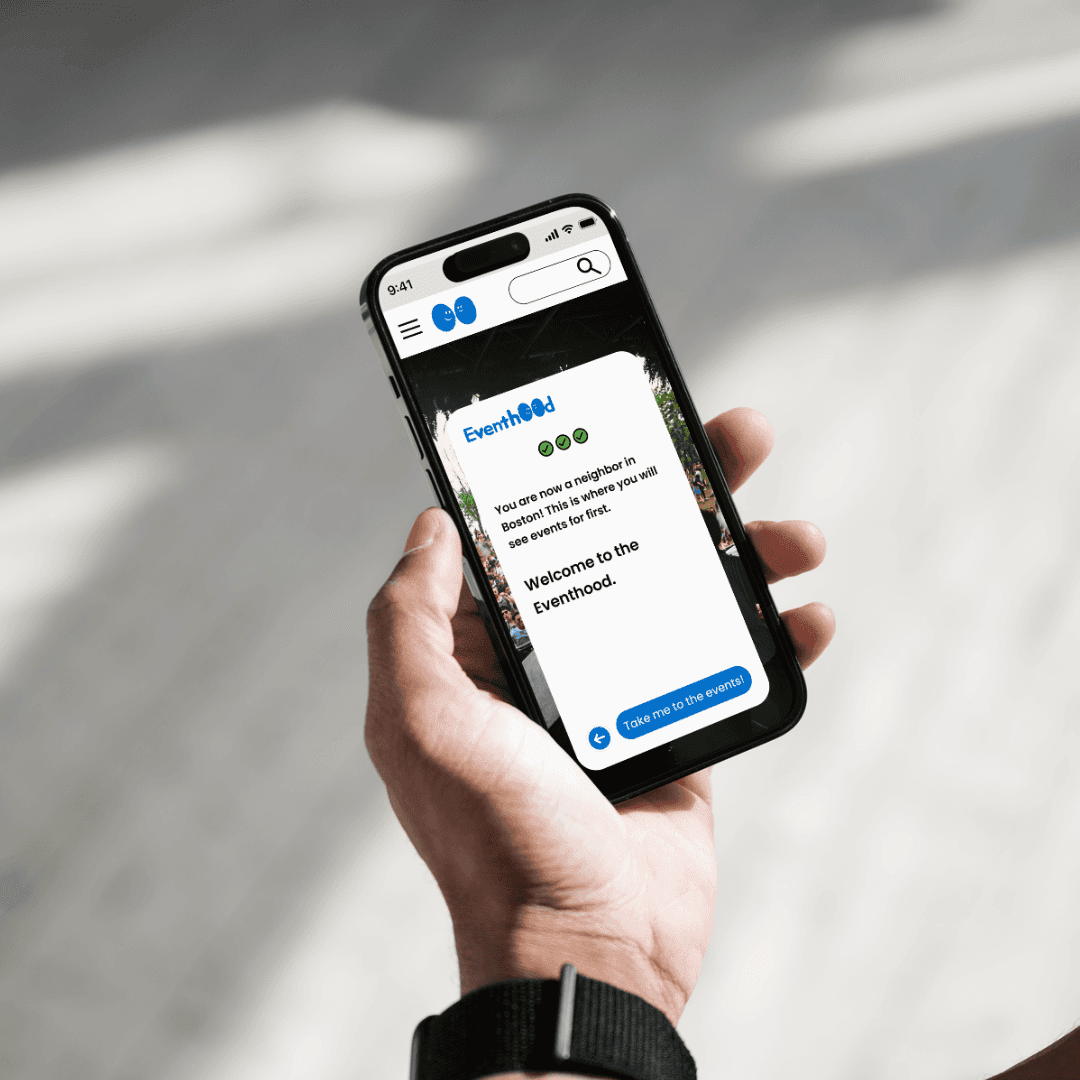
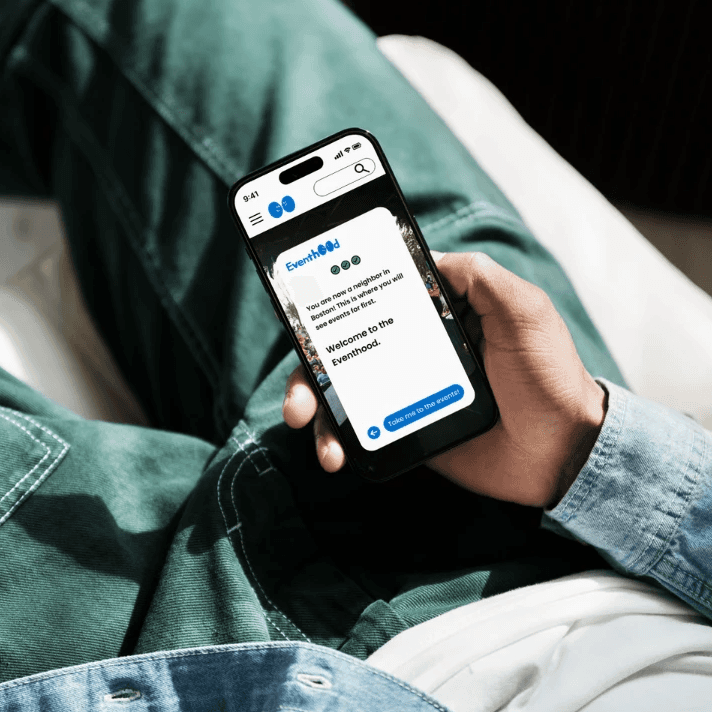
As the sole designer, I started this project to find and design a solution for users who have difficulties with moving to a new place.
The project resulted in a mobile-first website that hosts hyper-local neighborhood events, aiming to help anxious young professionals who struggle to feel comfortable in a new city after a move.
As the sole designer, I started this project to find and design a solution for users who have difficulties with moving to a new place.
The project resulted in a mobile-first website that hosts hyper-local neighborhood events, aiming to help anxious young professionals who struggle to feel comfortable in a new city after a move.
Research
Completing competitive analysis was important to understanding the current market of tools used by my users. Remote one-on-one user interviews were crucial to determining patterns in user pain points and struggles, to start initial designs.
Asking open-ended questions and leading a conversation with users feelings about moving and socializing was how I gathered insightful information on the topic.
"How did you feel before, during, and after the move?"
"Did you use any tools to help socialize or learn the area immediately after moving? Why or why not?"
Findings:
100% struggled to make friends post-move
Fear of unknowns (people, location) after a move.
Financial stress impacting social life.
Strong preference for human-first interactions.
Completing competitive analysis was important to understanding the current market of tools used by my users. Remote one-on-one user interviews were crucial to determining patterns in user pain points and struggles, to start initial designs.
Asking open-ended questions and leading a conversation with users feelings about moving and socializing was how I gathered insightful information on the topic.
"How did you feel before, during, and after the move?"
"Did you use any tools to help socialize or learn the area immediately after moving? Why or why not?"
Findings:
100% struggled to make friends post-move
Fear of unknowns (people, location) after a move.
Financial stress impacting social life.
Strong preference for human-first interactions.
“Coming here as a working adult rather than when I was a college student... there’s a difference because of my lifestyle changes.”
“Moving to Boston felt like now I was a real adult in the world, doing a big move.”
Who was I designing for?
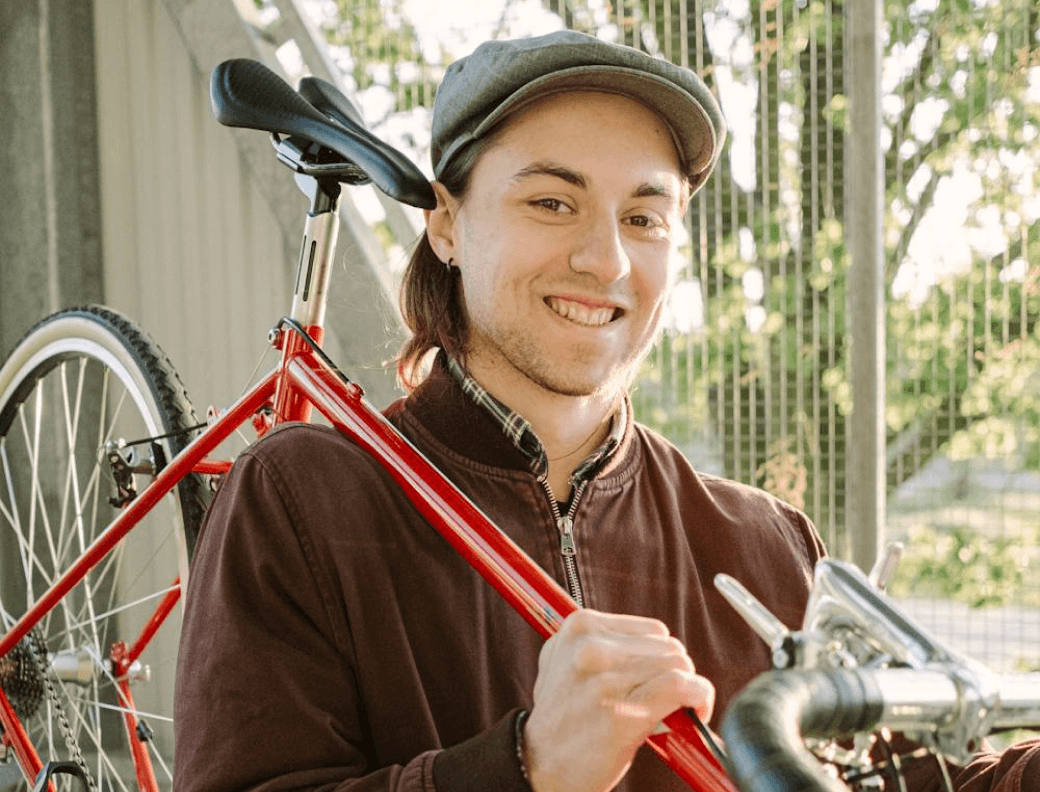
Sam Vu
28 years old
Architect
“The Economical Extrovert”
“The Economical Extrovert”
Frustrations
Finding events, and restaurants tailored to a budget-friendly user.
Sam finds promoted social media posts untrustworthy, but still wants recommendations from others.
Sam isn’t comfortable getting around the city on his own.
Frustrations
Finding events, and restaurants tailored to a budget-friendly user.
Sam finds promoted social media posts untrustworthy, but still wants recommendations from others.
Sam isn’t comfortable getting around the city on his own.
Goals
Meeting others with similar hobbies.
Being able to choose activities based on budget.
Finding local-preferred, personalized spots, that aren’t overhyped.
Getting more comfortable with navigating around the city.
Goals
Meeting others with similar hobbies.
Being able to choose activities based on budget.
Finding local-preferred, personalized spots, that aren’t overhyped.
Getting more comfortable with navigating around the city.
Research
Despite the promise of greater connectivity, many young adults find that increased social media use can actually make face-to-face communication more difficult and negatively impact their ability to form and maintain real-world relationships (Medical News Today).
Completing competitive analysis was important to understanding the current market of tools used by our users. Remote one-on-one user interviews were crucial to determining patterns in user pain points and struggles, to start initial design ideating.
Asking open-ended questions and leading a conversation with users feelings about moving and socializing was how I gathered insightful information on the topic.
"How did you feel before, during, and after the move?"
"Did you use any tools to help socialize or learn the area immediately after moving? Why or why not?"
Findings:
All users struggles to make friends after moving to their new community, especially post-college.
Most participants held fears of not finding community because of unknowns of the new place and people.
Almost all participants had financial stress that bled into their social life.
Most users preferred human-centered interactions.
The next step was to ideate solutions for these specific pain points.
“Coming here as a working adult rather than when I was a college student... there’s a difference because of my lifestyle changes.”
“Moving to Boston felt like now I was a real adult in the world doing a big move.”
Design
Linearly approach of building a research plan, conducting research, designing, prototyping, testing, and iterating, I was able to produce 3 working prototypes of a mobile-first website, also functional responsively for desktop, for one feature on the site.
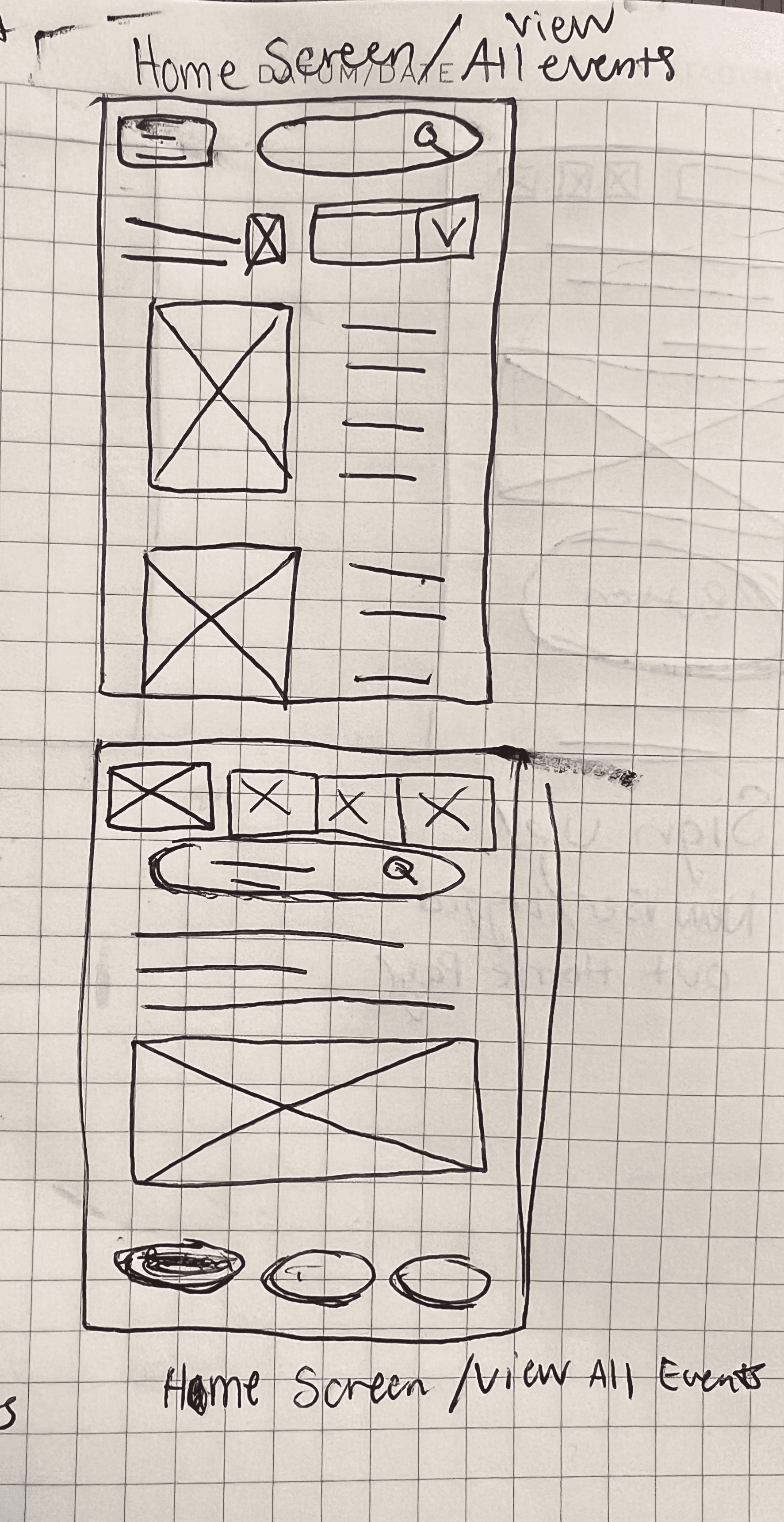
From sketch to wireframes, then high-fidelity prototype I was able to revisit user need and ideate.
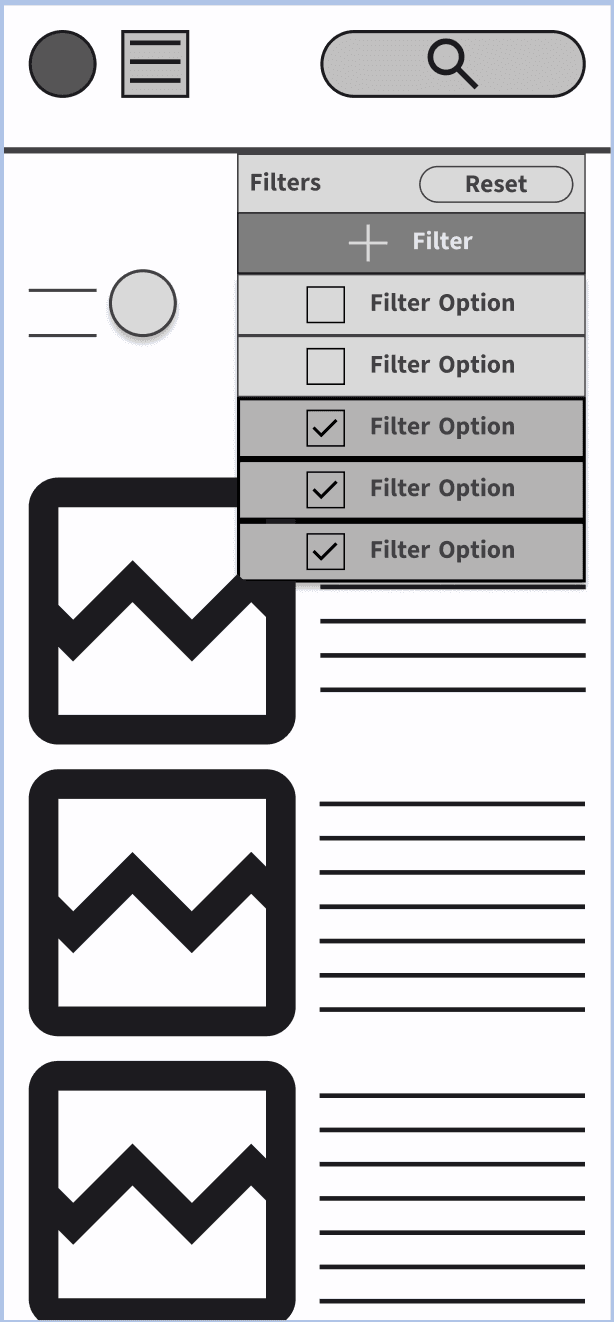
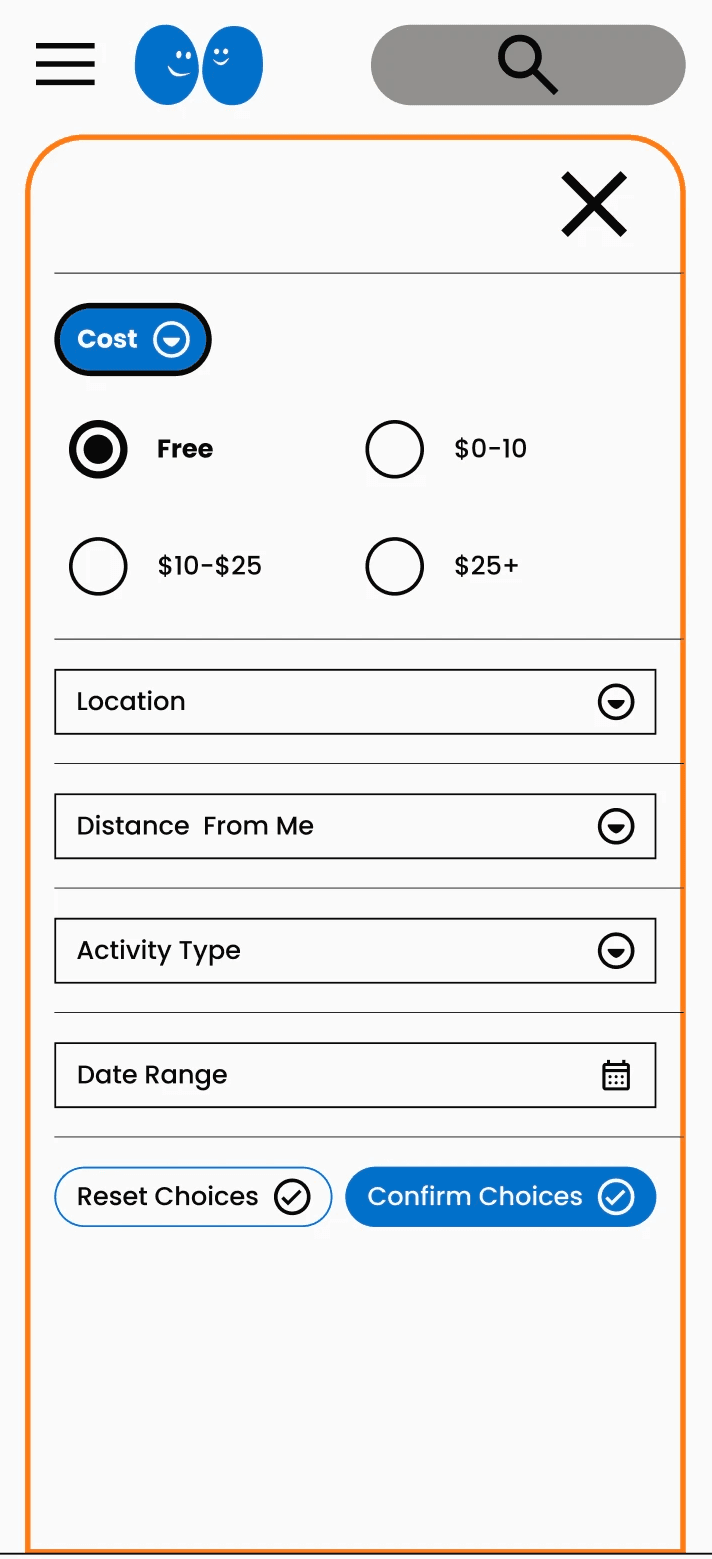
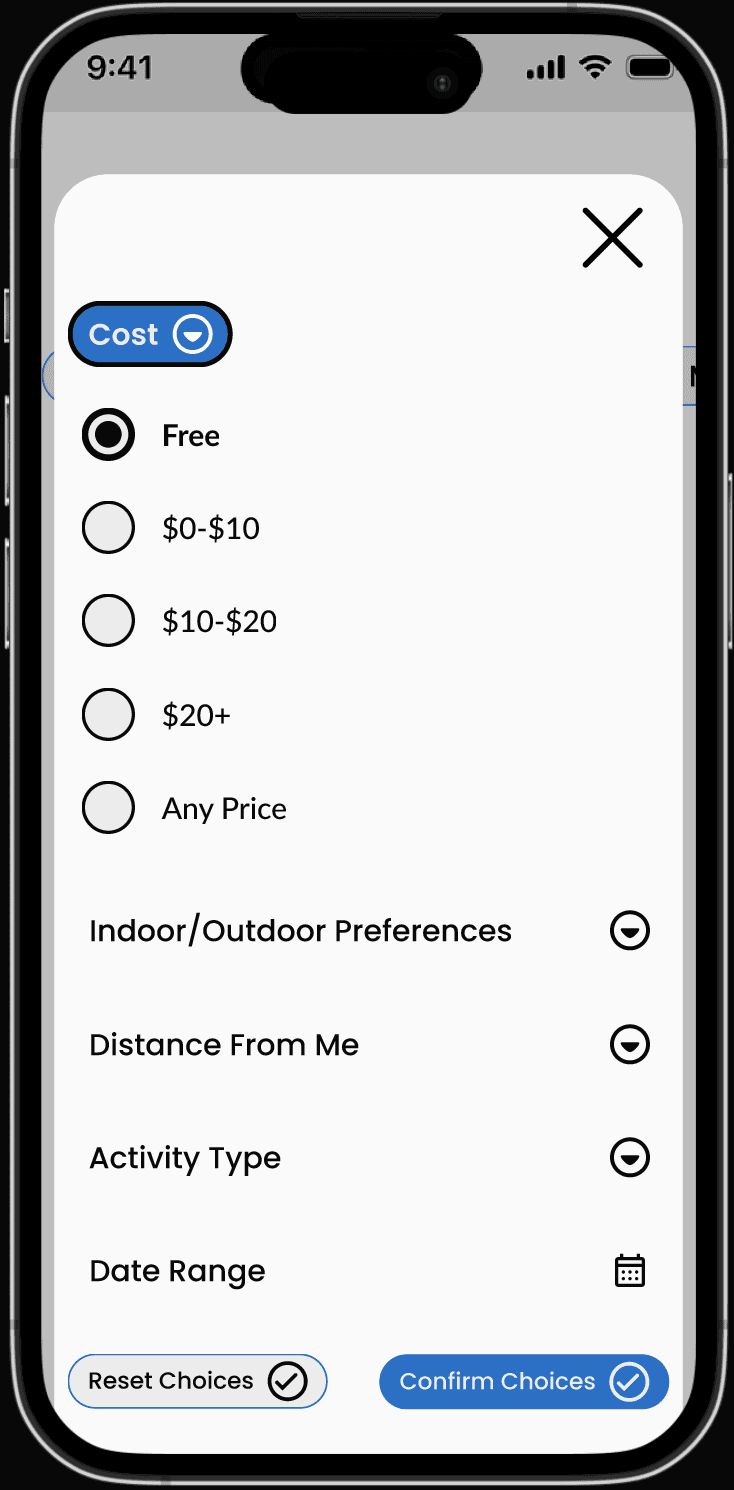
A core feature of the website, filtering events was built after many iterations.
This filter feature gave the user personalization abilities, which could mean tailoring the website feed in any way that mattered most to the user, i.e. budget, location, time, etc.
The branding was simple but reflective of the user persona and user needs. Joyful, trustworthy, community-oriented were the strongest characteristics that I ensured were reflected in the visuals and UI.
Sketches
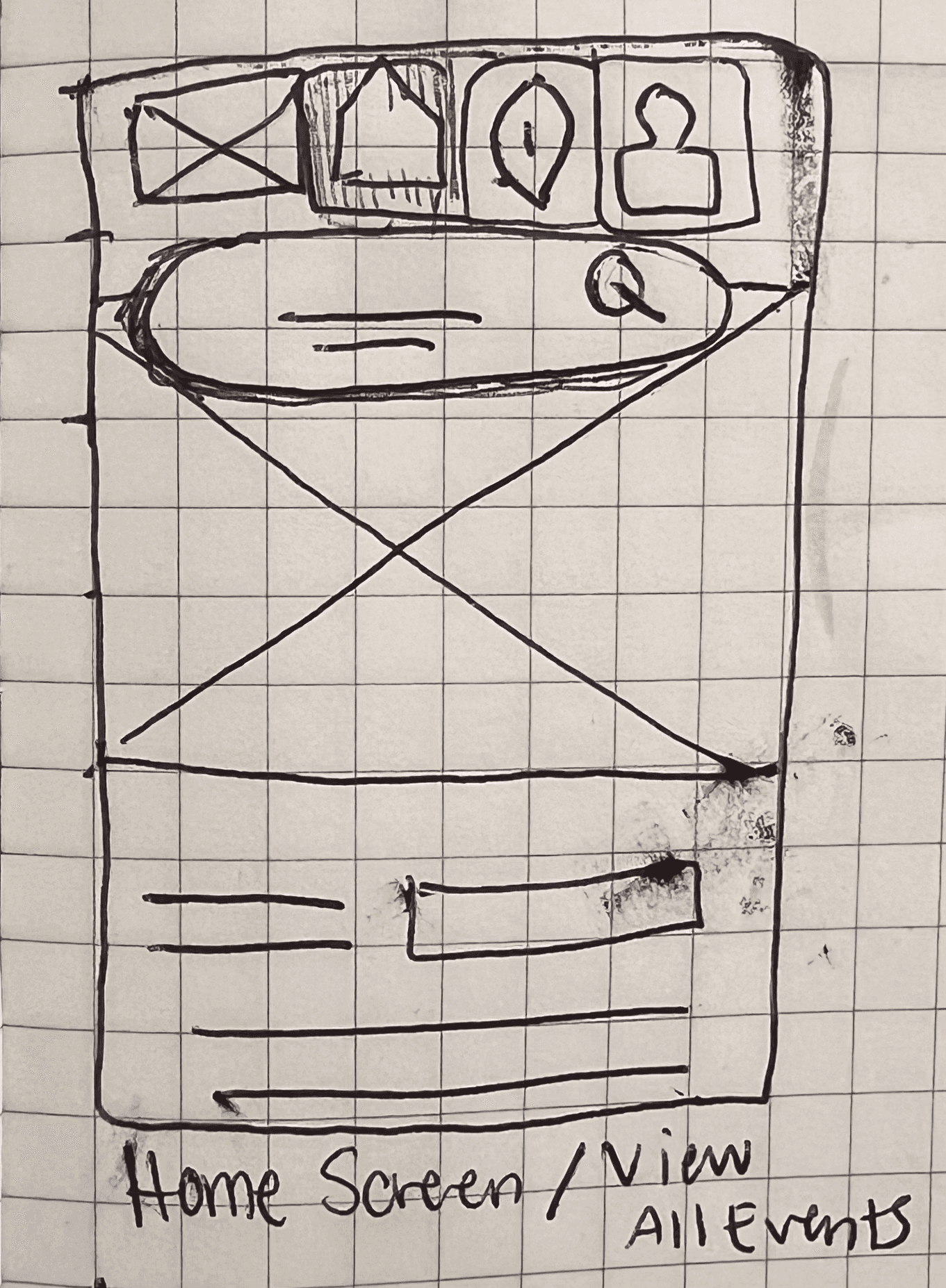
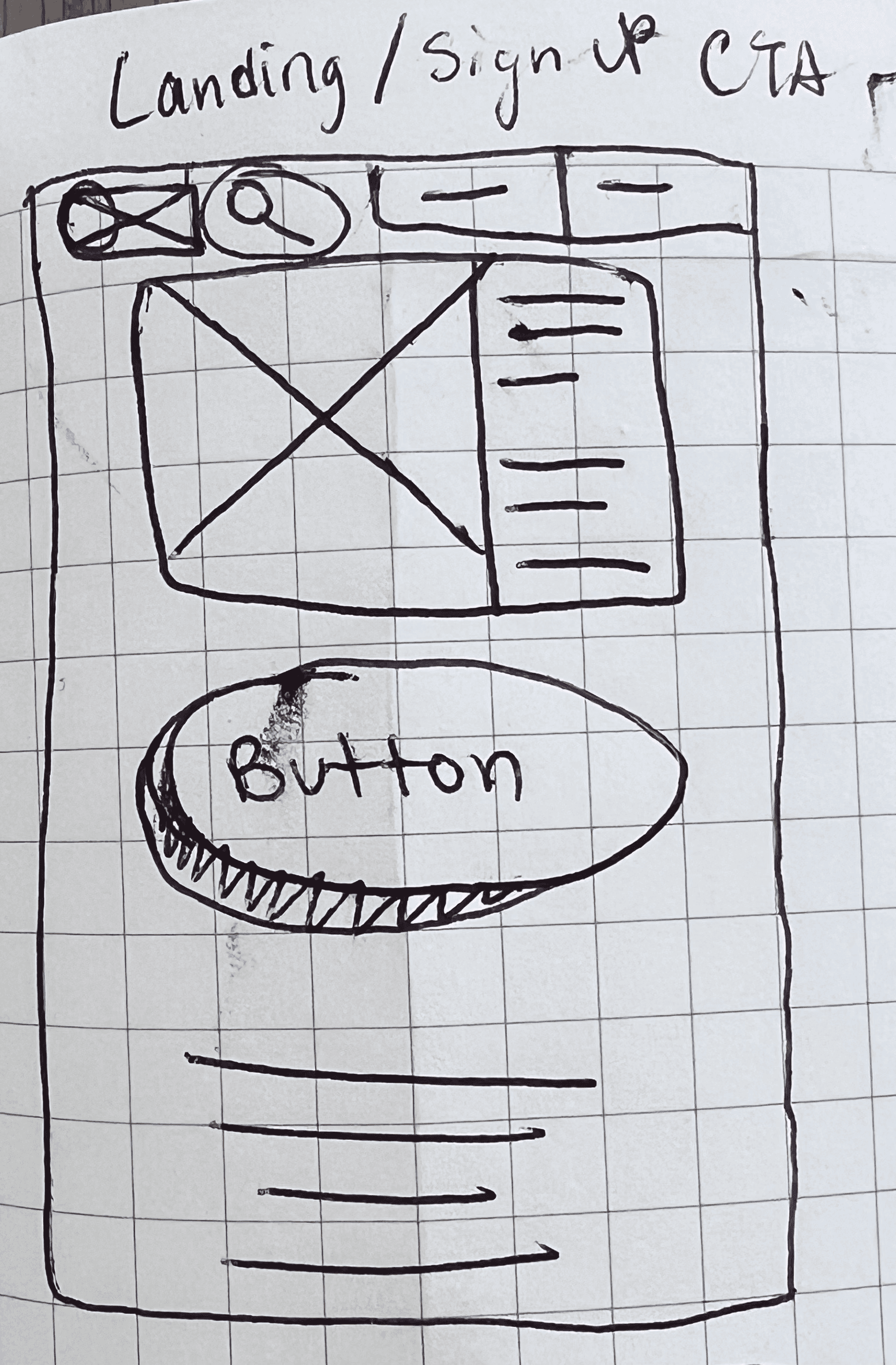
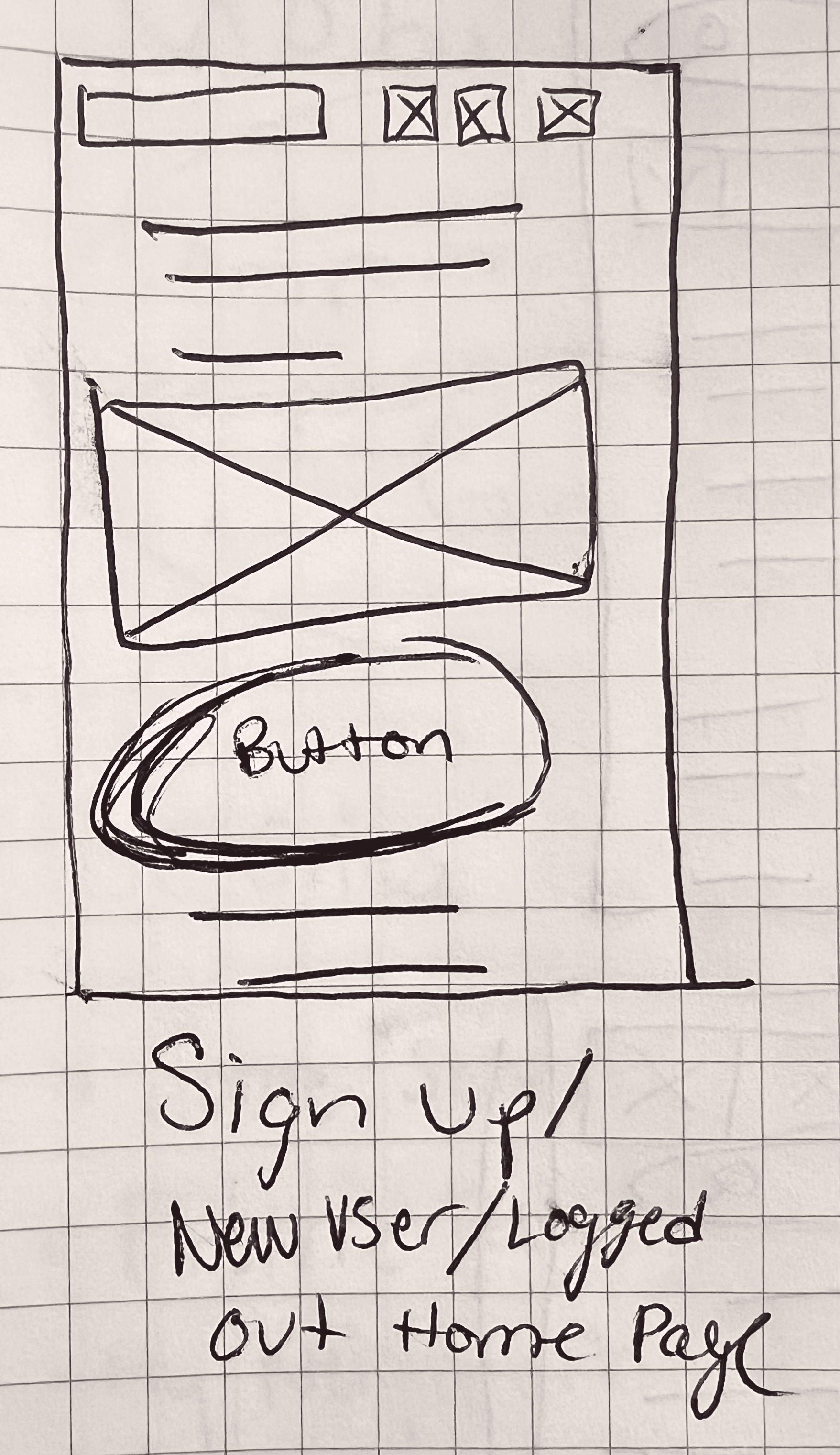
Low to High-fidelity Filter Feature
Design
Linearly approach of building a research plan, conducting research, designing, prototyping, testing, and iterating, I was able to produce 3 working prototypes of a mobile-first website, also functional responsively for desktop, for one feature on the site.
From sketch to wireframes, then high-fidelity prototype I was able to revisit user need and ideate.
A core feature of the website, filtering events was built after many iterations.
This filter feature gave the user personalization abilities, which could mean tailoring the website feed in any way that mattered most to the user, i.e. budget, location, time, etc.
The branding was simple but reflective of the user persona and user needs. Joyful, trustworthy, community-oriented were the strongest characteristics that I ensured were reflected in the visuals and UI.
Linearly approach of building a research plan, conducting research, designing, prototyping, testing, and iterating, I was able to produce 3 working prototypes of a mobile-first website, also functional responsively for desktop, for one feature on the site.
From sketch to wireframes, then high-fidelity prototype I was able to revisit user need and ideate.
A core feature of the website, filtering events was built after many iterations.
This filter feature gave the user personalization abilities, which could mean tailoring the website feed in any way that mattered most to the user, i.e. budget, location, time, etc.
The branding was simple but reflective of the user persona and user needs. Joyful, trustworthy, community-oriented were the strongest characteristics that I ensured were reflected in the visuals and UI.
Sketches
Low to High-fidelity Filter Feature
Test
Test
3 Flows tested unmoderated:
Personalization of feed through filtering events
Quick account sign up
Attending and adding events to personal calendar
Success Metric Questions:
How many users would complete the flow?
How many would make any errors?
How quickly/slowly would they complete the test?
3 Flows tested unmoderated:
Personalization of feed through filtering events
Quick account sign up
Attending and adding events to personal calendar
Success Metric Questions:
How many users would complete the flow?
How many would make any errors?
How quickly/slowly would they complete the test?
3 Flows tested unmoderated:
Personalization of feed through filtering events
Quick account sign up
Attending and adding events to personal calendar
Success Metric Questions:
How many users would complete the flow?
How many would make any errors?
How quickly/slowly would they complete the test?
Insights and direction
Insights and direction
The designed flows were highly successful against the metric requirements.
4/5 users completed tasks 100% through
All users completed 3 flows <3 minutes each.
Average misclicks <50% for each task flow
It's clear the flows were efficient, but unexpected results and user feedback encouraged minor adjustments to overall interaction flow and feedback.
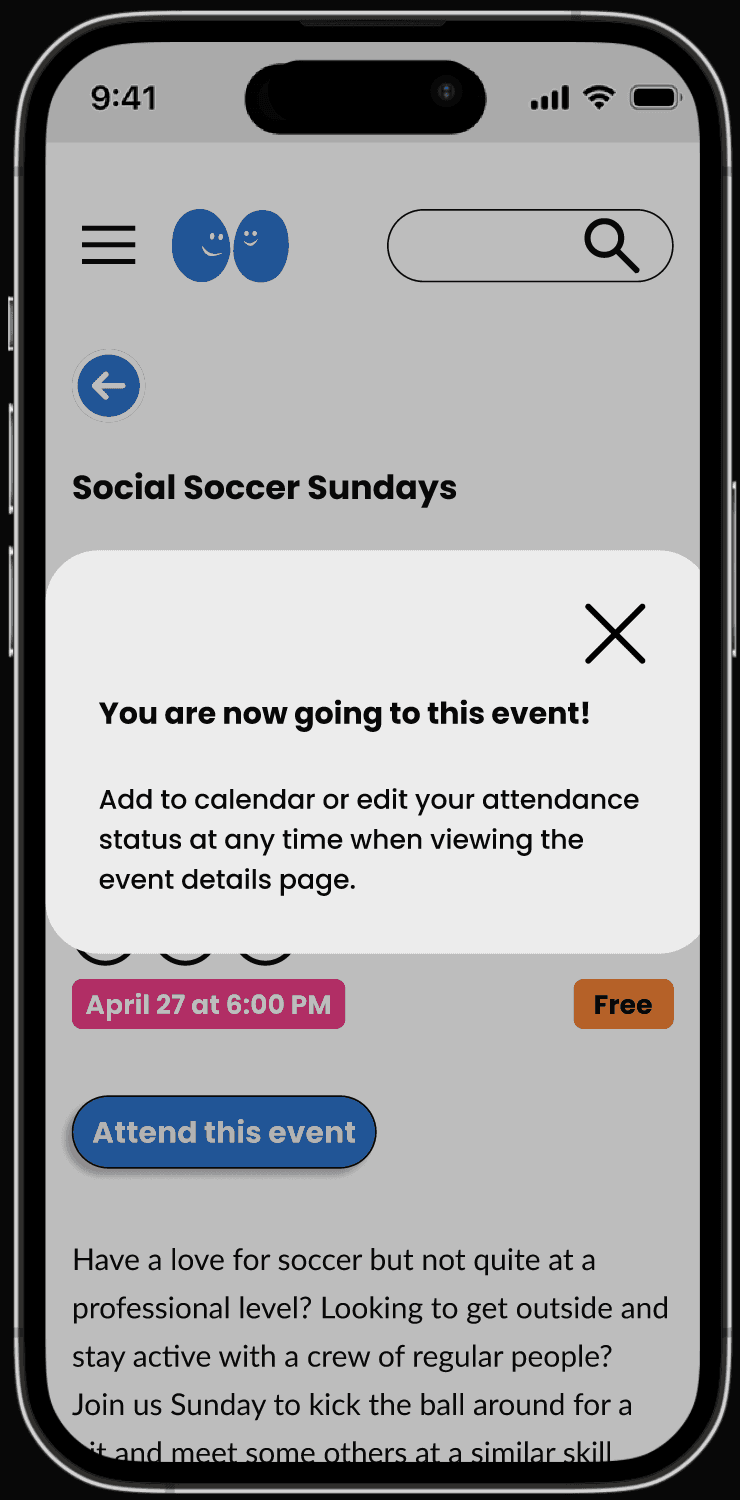
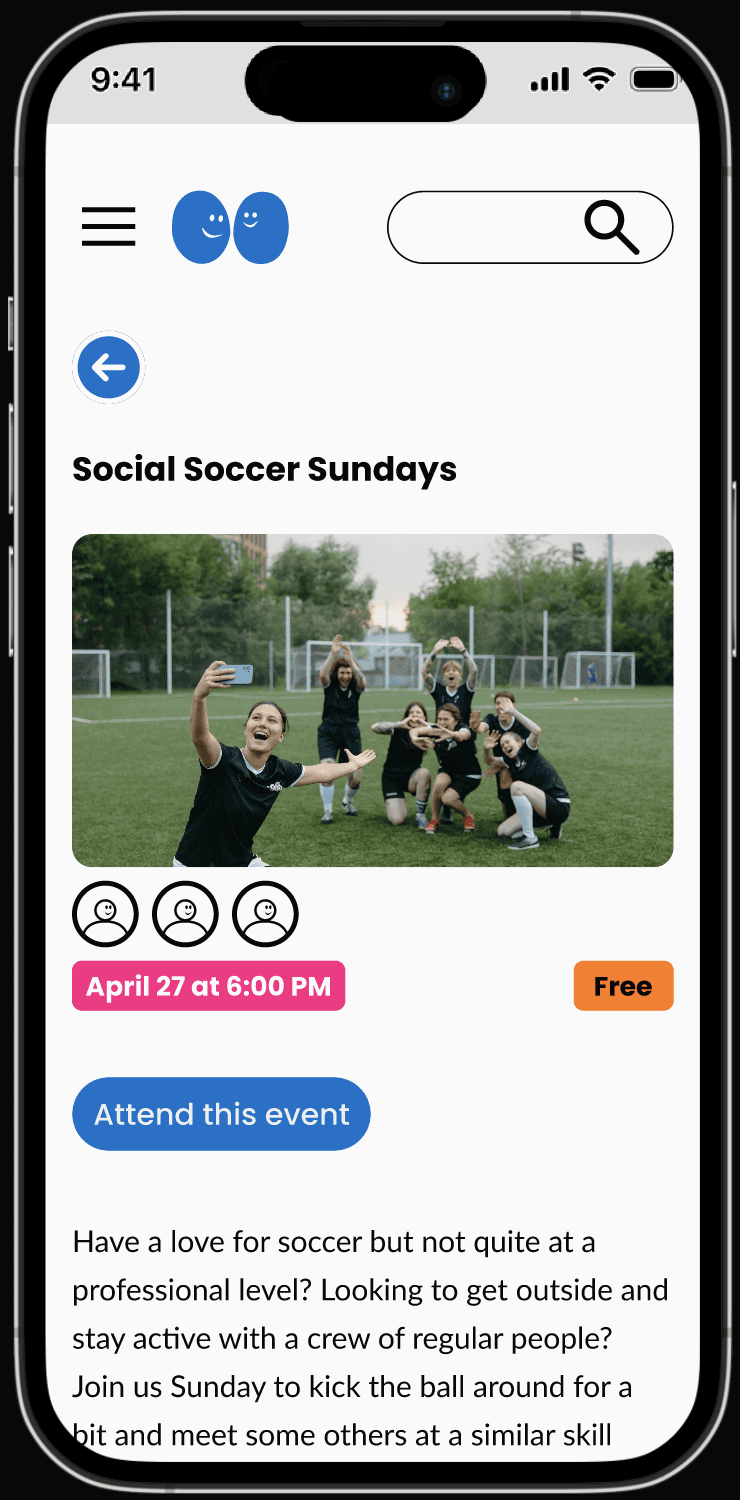
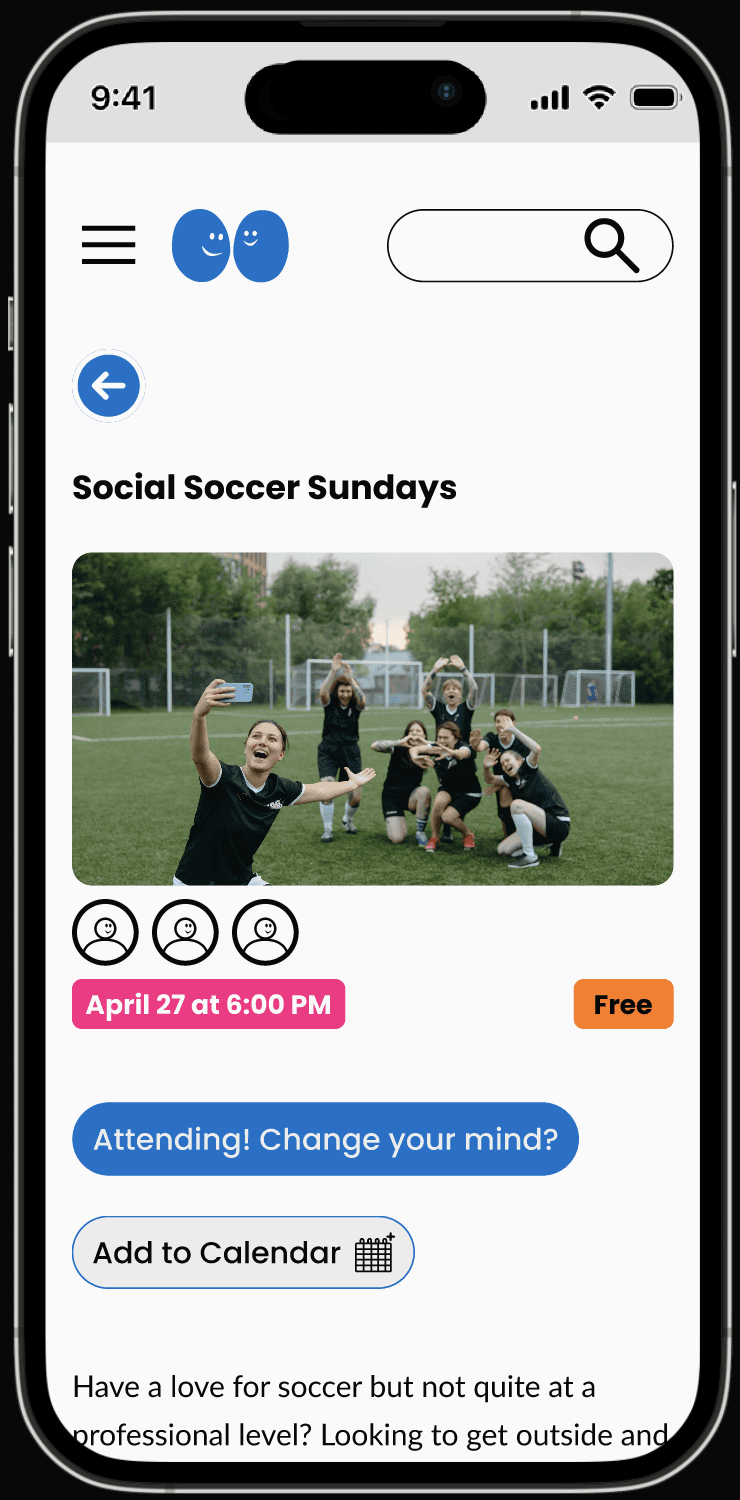
Changing the feedback users received after clicking to attend event, and the option to add event to calendar were done immediately after testing to make the design more user-friendly.
I learned how helpful testing can be to validate and bring to attention, even small design choices.
The designed flows were highly successful against the metric requirements.
4/5 users completed tasks 100% through
All users completed 3 flows <3 minutes each.
Average misclicks <50% for each task flow
It's clear the flows were efficient, but unexpected results and user feedback encouraged minor adjustments to overall interaction flow and feedback.
Changing the feedback users received after clicking to attend event, and the option to add event to calendar were done immediately after testing to make the design more user-friendly.
I learned how helpful testing can be to validate and bring to attention, even small design choices.
The designed flows were highly successful against the metric requirements.
4/5 users completed tasks 100% through
All users completed 3 flows <3 minutes each.
Average misclicks <50% for each task flow
It's clear the flows were efficient, but unexpected results and user feedback encouraged minor adjustments to overall interaction flow and feedback.
Changing the feedback users received after clicking to attend event, and the option to add event to calendar were done immediately after testing to make the design more user-friendly.
I learned how helpful testing can be to validate and bring to attention, even small design choices.
Conclusion
Conclusion
The design process of Eventhood focused on its users at each step of the process, but most importantly, when testing and receiving feedback from the participants. I learned well that real-time feedback made for important iterations that were small in the moment, but lead to more successful interaction for the lifetime of the website and its features. Designing solo, the user feedback was extremely necessary when there was a lack of design and developer team to lean on. If there were a chance to improve on my process, I would reframe some interview questions to dig even deeper into what the users need. I could build Eventhood even larger, although the solution presented here is successful by my measures. I am proud of the work I was able to complete as a novice designer, and the experience to grow my skills from this project, and many more.
The design process of Eventhood focused on its users at each step of the process, but most importantly, when testing and receiving feedback from the participants. I learned well that real-time feedback made for important iterations that were small in the moment, but lead to more successful interaction for the lifetime of the website and its features. Designing solo, the user feedback was extremely necessary when there was a lack of design and developer team to lean on. If there were a chance to improve on my process, I would reframe some interview questions to dig even deeper into what the users need. I could build Eventhood even larger, although the solution presented here is successful by my measures. I am proud of the work I was able to complete as a novice designer, and the experience to grow my skills from this project, and many more.
Explore
Home
Case Studies
Info
Connect


Explore
Home
Case Studies
Info
Connect
Explore
Home
Case Studies
Info
Connect